
Cannabis for Health
Live Resin vs. Distillate: How to Choose in Canada
Nov
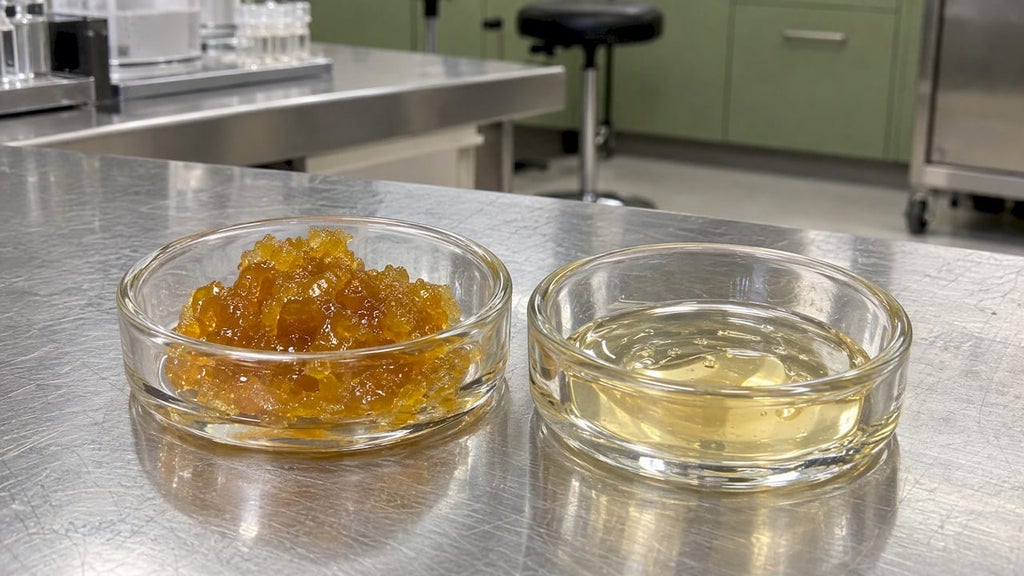
Live resin is a full-spectrum extract made from fresh-frozen plant material that keeps much of the plant’s aroma and flavour. Distillate is a refined extract that is mostly one cannabinoid, usually THC, with very little else left in it. Pick live resin if you want taste, aroma and a rounder experience. Pick distillate if you want a clean, high-potency, usually lower-priced product. Both are legal concentrates in Canada when bought from a licensed source, and both can be the right choice depending on what you value.
TL;DR
- Live resin keeps cannabinoids, terpenes and flavonoids, so it tastes and smells closer to the plant it came from.
- Distillate is refined to a high concentration of a single cannabinoid, often 90% or more, which makes it very potent, versatile and neutral in taste.
- Distillate usually costs less, because it is a standardized, heavily processed product. Live resin usually costs more, because it starts from fresh, carefully handled material.
- Read the label for THC per container, terpene information and the extract type. Keep both products cool, dark and sealed.
- Start low and go slow with either one, especially edibles, where effects can take hours to peak.
Table of Contents
- What live resin and distillate actually are
- Live resin vs. distillate at a glance
- Potency: higher on paper is not the whole story
- Flavour, aroma and how they feel
- Why distillate usually costs less
- Vape cartridges and disposables
- Edibles and other products
- What to check on a Canadian label
- Storage: does live resin go bad?
- Which one should you choose?
- Our perspective
- Shop live resin and distillate products
- FAQ
- Sources
What live resin and distillate actually are
Both products are cannabis concentrates. In Canada’s Cannabis Regulations, a cannabis concentrate is a substance with more than 3 percent w/w THC, taking into account the potential to convert THCA into THC. That is a very low bar. In practice, the concentrates you see online run far higher, which is why the differences between types matter.
If you want a broader tour of the category first, our guide to what marijuana concentrates are covers the basics, and budder, shatter and crumble explains the textures you will meet on the shelf.
Live resin: fresh-frozen and full-spectrum
Live resin starts with plant material that is frozen shortly after harvest rather than dried and cured. Freezing preserves the volatile aromatic compounds that normally fade during drying. The material is then extracted at low temperatures with a solvent, which keeps heat damage to a minimum. The result is a sticky, aromatic extract. According to Leafwell’s guide, live resin is a full-spectrum extract containing cannabinoids, terpenes and flavonoids.
The texture can range from saucy to batter-like, and the colour is often golden to amber. Because it is closer to the original plant, a live resin product will often call out a strain name and a terpene profile.
Distillate: refined to a single cannabinoid
Distillate goes through additional steps. A crude extract is purified and then distilled under heat and vacuum so that one cannabinoid, most often THC or CBD, is separated from everything else. Per the same Leafwell guide, distillate usually contains 90% or more of that single cannabinoid and virtually no terpenes, flavonoids or other compounds.
The finished oil is clear, thick and almost flavourless. That blank canvas is the point. Producers can use it as a base for vapes, edibles, topicals and dabbing, and can add terpenes back in for flavour. It is a versatile ingredient as well as a product on its own.
Live resin vs. distillate at a glance
| Live resin | Distillate | |
|---|---|---|
| Starting material | Fresh-frozen plant | Crude extract that is purified further |
| Processing | Low-temperature extraction | Extra refining and distillation |
| Cannabinoid profile | Full-spectrum | Mostly one cannabinoid, often 90% or more |
| Terpenes | Naturally present | Minimal, sometimes added back |
| Flavour and aroma | Rich, plant-like, strain-specific | Neutral unless flavoured |
| Typical price | Higher | Lower |
| Best for | Flavour, aroma, a fuller experience | Potency, discretion, cooking and mixing |
Potency: higher on paper is not the whole story
Distillate wins the headline number. A product that is 90% or more of one cannabinoid will usually read higher on a lab report than a full-spectrum extract, which splits its weight among cannabinoids, terpenes and other plant compounds. If your priority is the most THC per gram or per puff, distillate is built for that.
But the percentage on the label is not the same as how a product feels. Many people describe live resin as rounder and more layered, and they credit the terpenes and minor cannabinoids that travel with the THC. Research on this so-called entourage effect is still developing, so treat it as a reason to try a profile you like, not a promise. What you can count on is that the two products are different, and that your own experience is the best guide to what suits you.
One thing applies to both: potency matters for safety. The CCSA’s 2020 report notes that the risks vary by product type and method of use and are proportional to the amount of THC in the product. A highly potent concentrate asks for a smaller dose, not a bigger one.
Flavour, aroma and how they feel
This is where live resin earns its reputation. The terpenes that give a strain its citrus, pine, earthy or fruity character are still there, so a live resin vape or dab tastes like the strain it was made from. If you have ever opened a jar of good flower and enjoyed the smell, that is what live resin is trying to preserve. Our guide to terpenes explains what the common ones smell like and why strains differ.
Distillate on its own is close to tasteless. That is an advantage in some situations:
- Discretion. A neutral or lightly flavoured vapour has less of the unmistakable cannabis smell.
- Consistency. Every batch of a distillate product tends to taste and perform the same, so you know what to expect.
- Cooking. In edibles, a neutral oil does not leave a grassy taste in a gummy or a chocolate.
Many distillate vapes are finished with added terpenes to give them a flavour. These can be cannabis-derived, botanical or otherwise, so check the product page to see what is used if flavour sources matter to you.
Why distillate usually costs less
Price is the most common reason people choose distillate, and the logic is simple. Distillate is a standardized, refined product. It can be made from larger blended batches of input material, and the process is well established and scalable. Live resin typically costs more because it depends on fresh-frozen material that has to be handled quickly and kept cold, and because the end product carries the strain’s character that people pay for. Retail guides from the industry describe the same pattern, with one cannabis retail guide attributing the live resin premium to the quality of the input material.
Cheaper does not mean worse. A well-made distillate product is clean, strong and consistent, and for many people it is the better value. The right question is what you want from the product, not which one costs more.
Vape cartridges and disposables
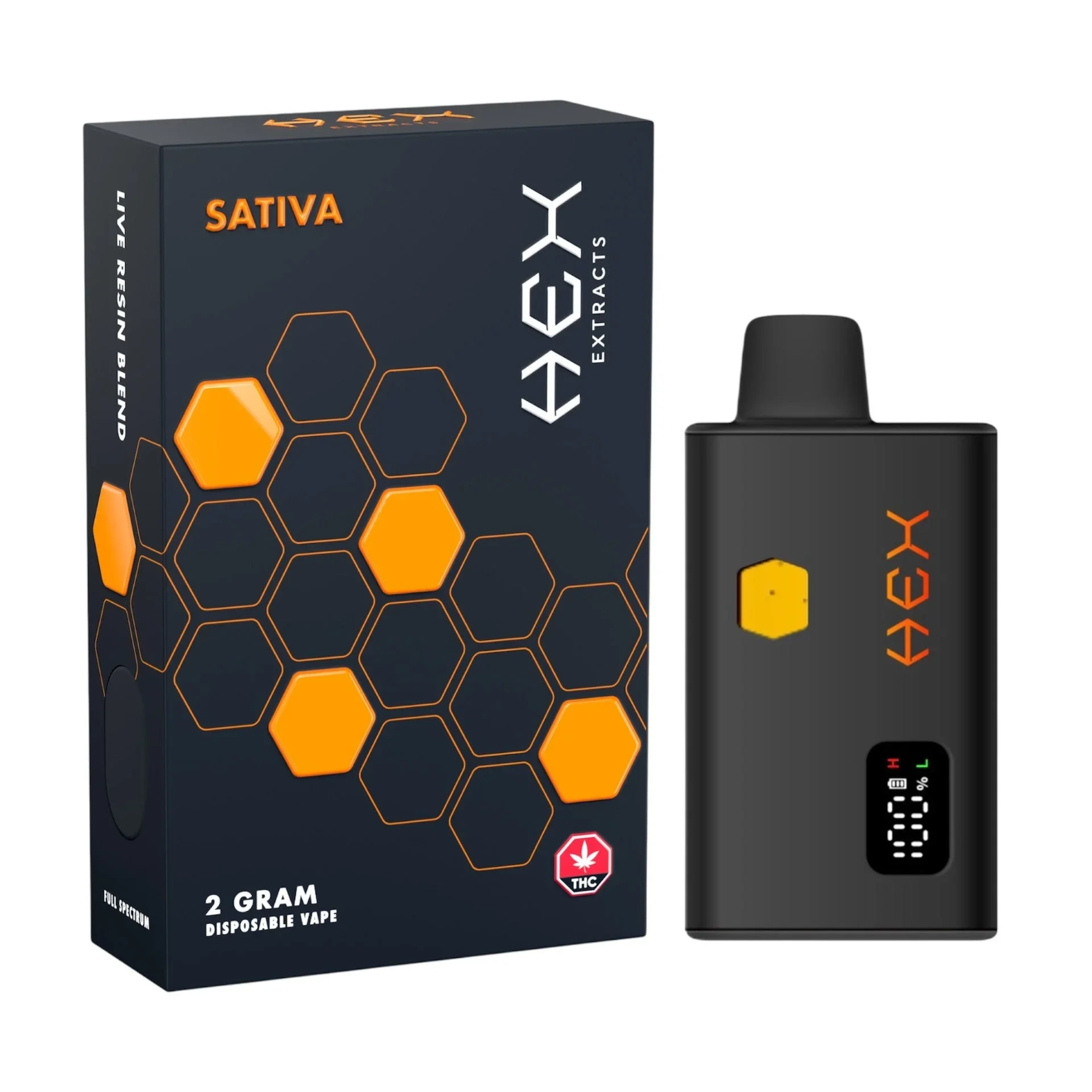
Vapes are where most Canadians meet this choice. A live resin vape gives you flavour you can taste on the first pull, and many people reach for it when they plan to sip slowly and enjoy the strain. A distillate vape is a dependable, strong option, often with a smoother, lighter profile and, usually, a lower price.
A few practical notes when you shop:
- Look for the extract type in the product name or description. Terms such as “live resin,” “liquid diamonds” or “distillate” tell you what is inside.
- Check the hardware type: a 510-thread cartridge needs a compatible battery, while a disposable is ready to use.
- Check the THC figure and the total volume so you can compare products fairly.
If you want to see examples, we carry a live resin disposable vape and a liquid diamonds disposable vape, and you can browse the full vapes category or our cannabis vapes page.
A note on vaping and your lungs
No one can promise that either extract is safe to inhale. The CCSA report states that as of January 28, 2020, 17 cases of lung illness associated with vaping had been reported to the Public Health Agency of Canada, with no deaths, while the United States had seen far more cases. That report also finds that risks depend on the product and how you use it. If you have asthma, a lung condition or breathing symptoms, talk to your doctor or pharmacist before vaping any cannabis product, and stop and seek care if you develop a cough, chest pain or shortness of breath. Buying from a licensed source and reading the label are the sensible first steps.
Edibles and other products
Distillate is the workhorse of edibles. Its neutral taste and predictable potency make it easy to dose accurately into gummies, chocolates and drinks, which is why you see it across the edibles shelf. Live resin edibles exist, but they are a smaller niche, mainly for people who want the terpene character carried into the product.
Whatever you choose, dose carefully. The CCSA says over-intoxication is arguably the main health risk with edibles, and that effects can take up to four hours to peak. New users can grow impatient, assume nothing is happening and take more, ending up with more THC than they can handle. The rule is to take one portion, wait the full time, and only then decide whether you want more. Keep edibles out of reach of children and pets and in their original packaging.
Topicals also often start from distillate, as a measured, neutral ingredient. Browse our topicals and edibles if you want to see what is available.
What to check on a Canadian label
Canadian rules give you a reliable baseline. Under Health Canada’s composition requirements, the THC in any cannabis extract or topical must not exceed 1,000 mg per immediate container, taking into account the potential to convert THCA into THC, and cannabinoids and terpenes must be uniformly distributed throughout the product. Uniform distribution is why a well-made vape or oil delivers a consistent dose from the first use to the last.
When you compare two products, check these in order:
- Extract type. Live resin, liquid diamonds, distillate, or another form.
- THC and CBD content. Compare the figures per container or per unit, not just the percentage.
- Terpene information. Live resin products often list a terpene profile or strain. Distillate products may list added terpenes.
- Ingredients. A short list usually points to distillate. A live extract is often named as such.
- Size and format. Grams for a vape, milligrams per piece for an edible.
Storage: does live resin go bad?
All concentrates age, and live resin is the more delicate of the two because the terpenes that make it special are volatile. As CannaCon explains, heat or light can strip taste and potency, and concentrates can eventually turn brown or black, though many can keep for years in a dark, cool, dry place. Green Rush Packaging’s storage guide suggests using live resin within roughly six to eight months and keeping it refrigerated or frozen until use. It also cites lab work showing cannabis stored at 30°C lost 14.1% more total potential THC than samples stored at 4°C.
Health Canada’s information for health care professionals reports that dried cannabis it distributed stayed stable for over two years in a fridge or freezer without significant conversion of THCA or changes in colour or aroma. That data covers dried product rather than extracts, but it shows how much cool temperatures help.
Simple rules that work for both products:
- Keep it sealed in an airtight container, away from light.
- Store it somewhere cool and stable, not in a hot car or on a sunny windowsill.
- Let a chilled container warm to room temperature before opening, so condensation does not form on the product.
- Keep vape batteries and cartridges upright and out of extreme heat.
For more detail, see our guides to storing and preserving cannabis products and storing concentrates.
Which one should you choose?
Think about what you want from the session, not about which word sounds better.
Choose live resin if:
- You care about flavour and aroma and like a strain that tastes like itself.
- You want a fuller, full-spectrum experience.
- You plan to savour a smaller amount rather than chase the highest number.
Choose distillate if:
- You want strong, predictable potency at a friendlier price.
- You want something discreet, with little smell.
- You are buying edibles, or you plan to cook or mix your own at home.
Try both if you are curious. Many experienced users keep a live resin product for relaxed evenings and a distillate product for everyday convenience.
New to concentrates? Start with a small amount of either, give it time, and build up. Concentrates are far stronger than most flower, so a small amount goes a long way. If you are managing a health condition, take medication or are concerned about mental health, our article on cannabis and mental health is a good starting point, and your doctor or pharmacist is the right person to ask about your own situation.
Our perspective
We built Toke Club around a simple idea: Canadians should be able to find trusted cannabis products efficiently, and the product type should match the person, not the other way around.
That is why we do not treat live resin and distillate as rivals. Live resin is for the person who wants the plant’s character in a vape or a dab. Distillate is for the person who wants consistent strength, a neutral taste and a price that works for regular use. Both belong on a good shelf, and we stock both styles across vapes, concentrates and edibles.
Our advice is practical. Decide what matters to you first: flavour, potency, discretion or budget. Read the label for the extract type and the THC content. Start low, wait, and store your product cool and dark so it tastes and performs the way it should. Our loyalty program, with credits on purchases and rewards for signing up, is there so that finding what you like does not cost more each time you try something new.
the author
Shop live resin and distillate products
Ready to compare for yourself? Our concentrates category and vapes category bring together live resin, liquid diamonds and distillate products from licensed producers, and our distillate selection makes it easy to find a clean, high-potency option. If you like to explore, the mix and match concentrates bundle lets you sample several 2g concentrates in one order.
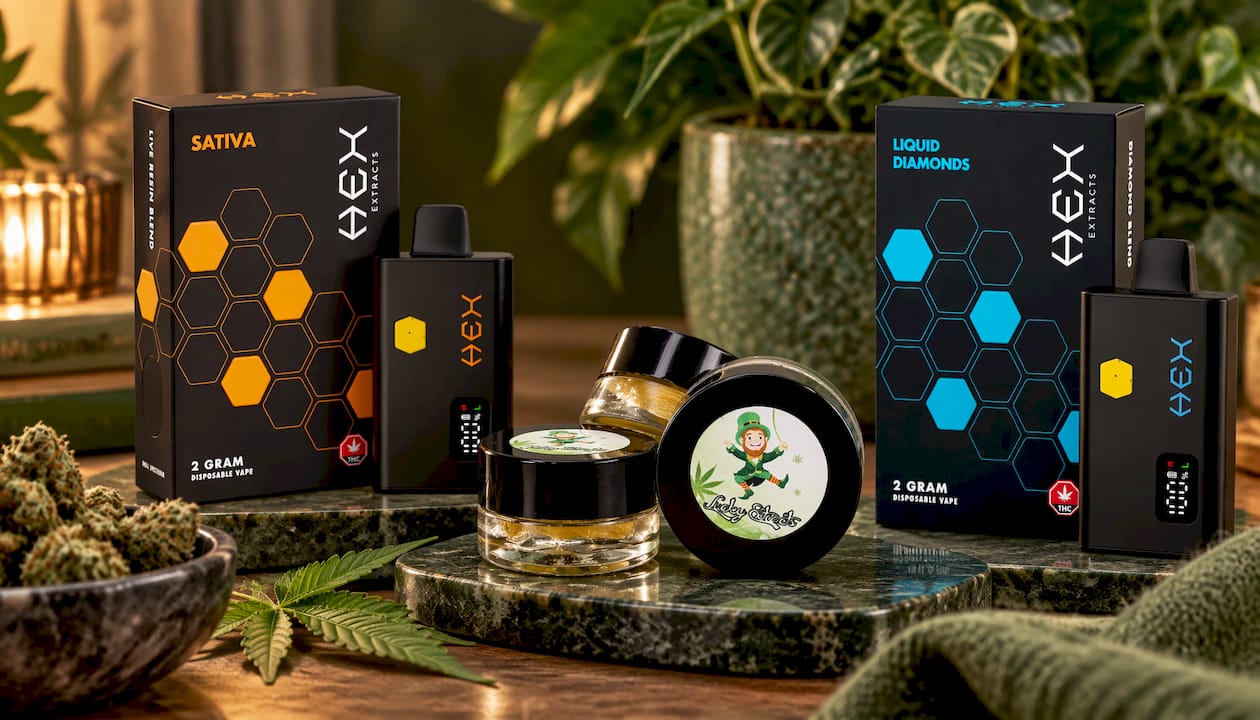
You earn credits on purchases and get rewards when you sign up. Check the site for the current deals, such as savings on edibles. Orders are for Canadian adults only.
FAQ
Which is better, live resin or distillate?
Neither is better for everyone. Live resin is the better pick for flavour, aroma and a full-spectrum experience, while distillate is the better pick for strength, discretion, versatility and price. Choose by what you value most, and feel free to try one of each.
Does live resin go bad?
Yes, over time. Heat and light degrade the terpenes and the cannabinoids, and the product can darken and lose taste. Keep it sealed, dark and cool, ideally refrigerated, and plan to use it within several months, as Green Rush Packaging suggests.
Why is distillate so cheap?
Distillate is a standardized, refined product that can be made at scale from blended input material. Live resin depends on fresh-frozen material and careful handling, which adds cost. Lower price does not mean lower quality.
Is live resin better for your lungs?
There is no evidence that either is safe to inhale. The CCSA finds that risk depends on the product type and how you use it, and rises with the amount of THC. If you have a lung condition or breathing symptoms, speak with your doctor before vaping any cannabis product.
Is distillate stronger than live resin?
On a lab report, usually yes. Distillate is typically 90% or more of one cannabinoid, while live resin spreads its weight across cannabinoids, terpenes and flavonoids. How strong either one feels still depends on your tolerance, the dose and how you consume it.
Sources
- Cannabis Regulations (SOR/2018-144), Justice Laws Website
- Live resin vs. distillate: What’s the difference? Leafwell
- Guide on composition requirements for cannabis products, Health Canada
- Smoke on Cannabis, CCSA report on edible cannabis, extracts and topicals
- How to Store Cannabis Concentrates, CannaCon
- How to Store Cannabis Concentrates, Green Rush Packaging
- Information for Health Care Professionals, Health Canada
- Live Resin vs. Distillate: What’s the Difference?
Recommended
- Shatter vs. Other Concentrates: Which Is Right for You?
- The Difference Between Budder, Shatter, and Crumble: A Guide to Cannabis Concentrates